


Câu trả lời nhanh:GMRS (Hoa Kỳ, công suất đầu ra lên tới 5 W, yêu cầu giấy phép FCC Part 95E thời hạn 10 năm với chi phí 35 USD), FRS (Hoa Kỳ, ≤0,5 W, hoàn toàn miễn giấy phép theo FCC Part 95B) và PMR446 (Liên minh Châu Âu, ≤0,5 W, miễn giấy phép theo Chỉ thị Thiết bị Vô tuyến 2014/53/EU) là ba tiêu chuẩn vô tuyến cấp người tiêu dùng chiếm ưu thế trong thương mại toàn cầu. Thị trường đích của bạn quyết định tiêu chuẩn nào được áp dụng — việc vận chuyển thiết bị chỉ dùng PMR446 vào thị trường Hoa Kỳ hoặc radio GMRS vào EU mà không được chứng nhận lại sẽ cấu thành hành vi vi phạm quy định, dẫn đến việc bị hải quan tịch thu, bắt buộc thu hồi và có khả năng phải chịu trách nhiệm dân sự. Tuân thủ không phải là tùy chọn; đó là yêu cầu nhập cảnh tối thiểu để xuất khẩu.
Những điểm chính cần lưu ý
FRS (Hoa Kỳ):
● 22 kênh, công suất bức xạ tối đa ≤0,5 W, không tốn chi phí giấy phép — lựa chọn phù hợp cho bán lẻ đại trà và phân phối cho gia đình/người tiêu dùng tại Hoa Kỳ.
GMRS (Hoa Kỳ):
● Chia sẻ 22 kênh của FRS cộng với 8 kênh bộ lặp chuyên dụng, công suất cầm tay lên tới 5 W, thiết bị di động 50 W — phạm vi phủ sóng vượt trội cho mục đích thương mại và đội xe, nhưng bắt buộc phải có giấy phép hộ gia đình FCC (35 USD/10 năm) cho tất cả người dùng.
PMR446 (EU):
● 16 kênh trên băng tần UHF cố định 446,0–446,2 MHz, ERP ≤0,5 W, có dấu CE theo Chỉ thị Thiết bị Vô tuyến — bắt buộc để nhập khẩu hợp lệ vào các quốc gia thành viên EU.
Sự không khớp về tiêu chuẩn thị trường là một rủi ro hải quan:
● Thiết bị PMR446 được bán tại Hoa Kỳ hoặc radio GMRS theo tiêu chuẩn Hoa Kỳ được nhập khẩu vào EU mà không được chứng nhận lại sẽ vi phạm các quy định về phổ tần tại địa phương và không thể được tiếp thị hoặc vận hành hợp pháp.
UHF CB tại Úc:
● 80 kênh, ≤5 W, miễn giấy phép theo quy định của ACMA — một tiêu chuẩn thứ tư thường bị các nhà xuất khẩu nhắm vào khu vực Châu Á - Thái Bình Dương bỏ qua.
QYT cung cấp các biến thể được chứng nhận dành riêng cho từng thị trường
● với các gói kênh tuân thủ được lập trình sẵn, các gói tài liệu CE và FCC đầy đủ, và tùy chỉnh OEM/ODM trực tiếp từ nhà máy cho các đơn hàng số lượng lớn đủ điều kiện. → Duyệt danh mục sản phẩm bộ đàm hai chiều QYT
Sự khác biệt giữa bộ đàm GMRS và FRS là gì?
FRS và GMRS đều là các tiêu chuẩn thị trường Hoa Kỳ do Ủy ban Truyền thông Liên bang (FCC) quản lý theo Tiêu đề 47, Phần 95 của Bộ luật Quy định Liên bang. Mặc dù cả hai đều hoạt động trên cùng một tập hợp 22 kênh UHF xen kẽ (462–467 MHz), chúng khác nhau ở ba khía cạnh quan trọng: công suất đầu ra, yêu cầu cấp phép và trường hợp sử dụng dự kiến.
Công suất đầu ra và phạm vi phủ sóng
Radio FRS bị giới hạn phần cứng ở mức công suất bức xạ hiệu dụng (ERP) tối đa là 0,5 W (500 mW) với ăng-ten không thể tháo rời, không thể thay thế. Hạn chế này, được quy định trong bản sửa đổi quy tắc năm 2017 của FCC (có hiệu lực từ ngày 27 tháng 9 năm 2019), là một ràng buộc thiết kế có chủ đích: nó giới hạn vùng phủ sóng ở mức khoảng 0,5–2 km trên địa hình trống trải, giúp FRS phù hợp cho mục đích giải trí và dân cư ở phạm vi ngắn mà không gây nhiễu cho các nhà khai thác thương mại được cấp phép.
Thiết bị cầm tay GMRS được phép sử dụng công suất lên tới 5 W; các thiết bị di động GMRS có thể hoạt động ở công suất lên tới 50 W khi sử dụng với các trạm cố định hoặc lắp đặt trên xe. Theo các thử nghiệm thực địa kỹ thuật của FCC, một thiết bị cầm tay GMRS 5 W trên địa hình bằng phẳng, trống trải có thể đạt khoảng cách liên lạc tầm nhìn thẳng từ 8–16 km, gấp khoảng 8–16 lần phạm vi thực tế của thiết bị FRS 0,5 W hoạt động trong các điều kiện tương đương. Đối với các hoạt động đội xe — công trường xây dựng, quản lý bến du thuyền, an ninh khu nghỉ dưỡng — sự khác biệt về công suất này mang tính quyết định về mặt vận hành.
Yêu cầu về giấy phép
| Tiêu chuẩn | Giấy phép | Chi phí | Phạm vi | Cơ sở pháp lý |
|---|---|---|---|---|
| FRS | Không | 0 USD | Tất cả người dùng tại Hoa Kỳ | FCC Part 95B |
| GMRS | Bắt buộc (hộ gia đình) | 35 USD / 10 năm | Một hộ gia đình (gia đình trực hệ) | FCC Part 95E |
Giấy phép GMRS là giấy phép hộ gia đình thay vì giấy phép cá nhân: một đơn đăng ký 35 USD (Mẫu FCC 605, nộp qua Hệ thống Cấp phép Phổ quát) bao gồm người nộp đơn và các thành viên gia đình trực hệ của họ. Không yêu cầu thi cử. Tuy nhiên, các thực thể thương mại vận hành radio GMRS cho các nhóm nhân viên không phải gia đình phải có giấy phép trạm riêng lẻ. Theo dữ liệu hàng năm năm 2023 của FCC, có khoảng 160.000 người được cấp phép GMRS đang hoạt động tại Hoa Kỳ, phản ánh sự tăng trưởng ổn định trong việc áp dụng cho đội xe thương mại hạng nhẹ.
Tôi có cần giấy phép để bán bộ đàm GMRS tại thị trường Hoa Kỳ không?
Việc bán bộ đàm có khả năng GMRS tại Hoa Kỳ yêu cầu chứng nhận thiết bị của FCC theo Phần 95E. Đây là một yêu cầu chứng nhận ở cấp độ thiết bị, tách biệt với giấy phép hộ gia đình ở cấp độ người dùng đã thảo luận ở trên.
Chứng nhận thiết bị của FCC: Những điều nhà nhập khẩu cần biết
Theo các quy định của FCC, mọi thiết bị vô tuyến được tiếp thị hoặc bán tại Hoa Kỳ phải có chứng nhận thiết bị hợp lệ trước khi nhập khẩu và bán. Đối với bộ đàm GMRS, điều này có hình thức là chứng nhận FCC ID — một quy trình trong đó nhà sản xuất gửi thiết bị để kiểm tra tại phòng thí nghiệm của Cơ quan Chứng nhận Viễn thông (TCB) được FCC công nhận. Chứng nhận xác minh:
Độ chính xác tần số:
1. Thiết bị chỉ được truyền trên 30 kênh GMRS được chỉ định trong dải tần 462–467 MHz.
Giới hạn công suất:
2. Công suất bức xạ hiệu dụng (ERP) tối đa 5 W cho thiết bị cầm tay; 50 W cho thiết bị di động.
Phát xạ giả:
3. Phát xạ ngoài băng tần và hài bậc phải không vượt quá giới hạn của FCC Phần 15 / Phần 95.
Khoảng cách kênh:
4. Tuân thủ băng thông kênh 12,5 kHz hoặc 25 kHz.
Nhà nhập khẩu đưa bộ đàm có khả năng GMRS chưa được chứng nhận vào Hoa Kỳ có nguy cơ bị Cơ quan Hải quan và Bảo vệ Biên giới Hoa Kỳ (CBP) tịch thu tại cảng nhập cảnh, các hành động thực thi của FCC bao gồm tiền phạt lên tới 19.639 USD cho mỗi vi phạm mỗi ngày theo 47 U.S.C. § 503(b)(2)(D), và bắt buộc thu hồi sản phẩm với chi phí do nhà nhập khẩu chi trả.
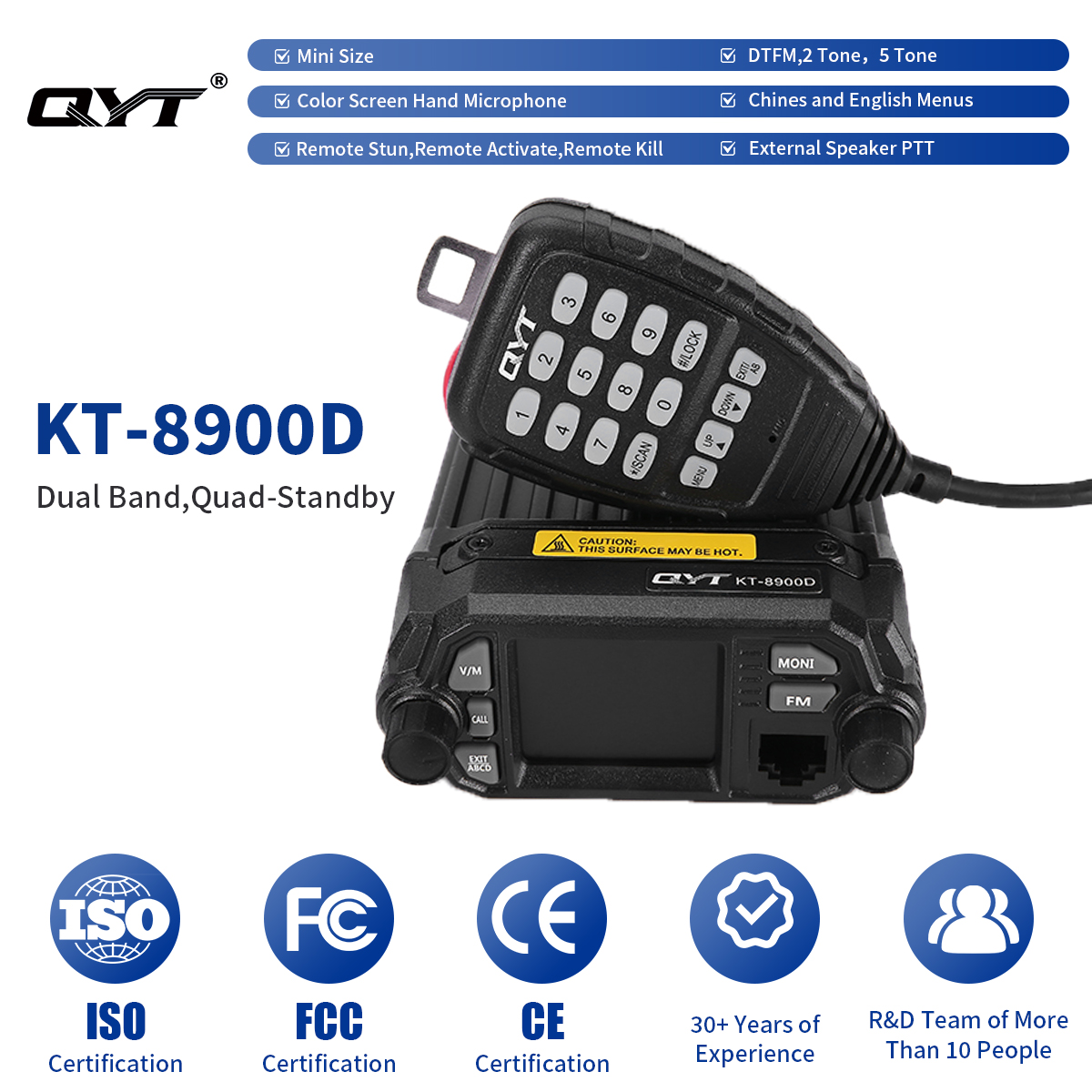
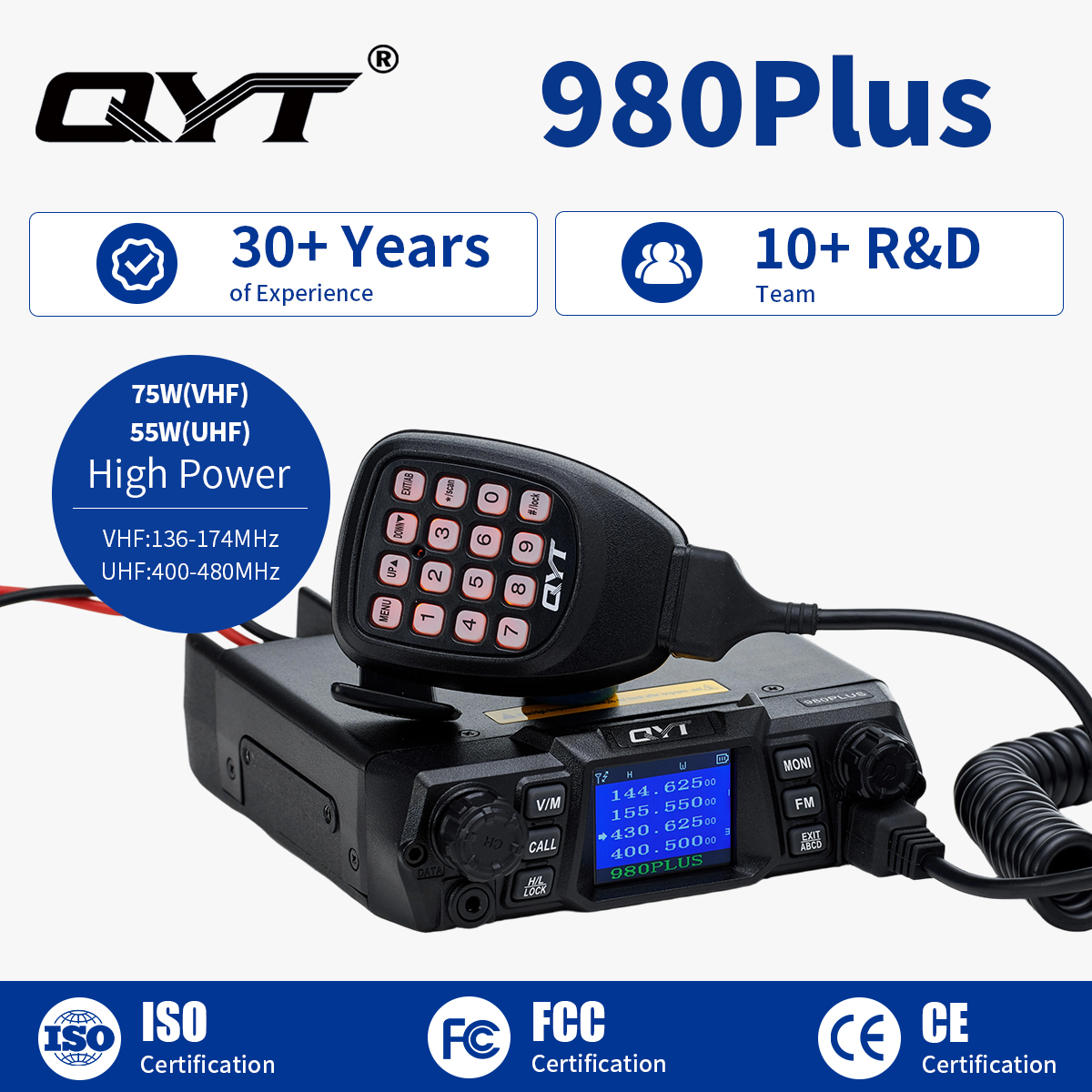
Các mẫu được FCC chứng nhận của QYT có sẵn cho thị trường GMRS/FRS tại Hoa Kỳ bao gồm dòng KT-8900, KT-8900D, KT-980PLUS và dòng KT-9900, mỗi mẫu đều có FCC ID hợp lệ. Tất cả các lô hàng xuất khẩu đều bao gồm tài liệu ủy quyền gốc của FCC, tuyên bố hợp quy CE/FCC và tài liệu pin MSDS/UN38.3 để thông quan thuận lợi.
Tiêu chuẩn tần số nào là bắt buộc để xuất khẩu bộ đàm sang Châu Âu?
Bất kỳ bộ đàm hai chiều nào được bán trong Khu vực Kinh tế Châu Âu (EEA) — bao gồm các quốc gia thành viên EU cộng với Iceland, Liechtenstein và Na Uy — đều phải tuân thủ Chỉ thị về Thiết bị Vô tuyến (RED) 2014/53/EU. Đối với bộ đàm cầm tay không cần giấy phép, điều này có nghĩa là tiêu chuẩn PMR446.
Thông số kỹ thuật PMR446 theo ETSI EN 300 296
Tiêu chuẩn EN 300 296-2 của Viện Tiêu chuẩn Viễn thông Châu Âu (ETSI) định nghĩa PMR446 như sau:
| Thông số | Đặc điểm kỹ thuật |
|---|---|
| Dải tần số | 446,0–446,2 MHz (UHF) |
| Kế hoạch kênh | 8 kênh analog (gốc) + 8 kênh kỹ thuật số (ETSI EN 300 296-2, sửa đổi năm 2016) = tổng cộng 16 kênh |
| ERP tối đa | 0,5 W (500 mW) |
| Ăng-ten | Tích hợp, không thể tháo rời, không thể thay thế |
| Điều chế | FM tương tự (cũ) hoặc DMR kỹ thuật số (TDMA, Tier I) |
| Giấy phép | Không yêu cầu ở các quốc gia thành viên EEA |
Lưu ý quan trọng về sự tuân thủ: ăng-ten PMR446 phải được tích hợp cố định vào thân thiết bị — ăng-ten có thể tháo rời hoặc thay thế sẽ khiến thiết bị không tuân thủ bất kể công suất phát ra là bao nhiêu. Nhiều nhà cung cấp Châu Á cung cấp bộ đàm "tần số PMR446" có ăng-ten tháo rời; những thiết bị này không thể được tiếp thị hợp pháp tại EU.
Dấu CE: Những gì RED Yêu cầu
Dấu CE theo RED yêu cầu nhà sản xuất hoặc đại diện được ủy quyền tại EU phải:
1. Tiến hành hoặc ủy quyền thử nghiệm hiệu suất tần số vô tuyến (RF) tại phòng thí nghiệm của Cơ quan Thông báo được công nhận theo tiêu chuẩn ETSI EN 300 296.
2. Lập Hồ sơ Kỹ thuật (TCF) bao gồm các báo cáo thử nghiệm, sơ đồ mạch và Tuyên bố Tuân thủ (DoC).
3. Dán dấu CE lên thiết bị và bao bì.
4. Đăng ký với EUDAMED (đối với các sản phẩm có chứa linh kiện điện tử) khi áp dụng.
Theo báo cáo giám sát thị trường năm 2023 của Cơ quan Hợp tác các Cơ quan Quản lý Năng lượng Liên minh Châu Âu (ACER), khoảng 34% sản phẩm bộ đàm hai chiều lấy mẫu từ các sàn thương mại điện tử ở các quốc gia thành viên EU không đáp ứng các yêu cầu của RED — nhấn mạnh khoảng trống tuân thủ tạo ra rủi ro thương mại cho các bên mua nhập hàng từ các nhà cung cấp chưa được thẩm định.
Các dòng máy thị trường EU đạt chứng nhận CE của QYT bao gồm KT-8900, KT-8900D, KT-7900D, KT-980PLUS, và CB-58 — mỗi dòng máy đều có đầy đủ Hồ sơ Kỹ thuật CE, Tuyên bố Tuân thủ RED và tài liệu tuân thủ RoHS sẵn sàng cho quá trình thẩm định của nhà phân phối.
Bộ đàm GMRS và FRS có thể truyền thông với nhau không?
Có — nhưng có những hạn chế quan trọng. Bộ đàm FRS và GMRS có thể tương tác trên 22 kênh đơn hướng dùng chung (các kênh 1–22 trong quy hoạch kênh của Mỹ, bao phủ 462.5625–467.7125 MHz). Khả năng tương tác này là một tính năng được chủ đích đưa vào khung quy định chung FCC Part 95 được thiết lập trong đợt sửa đổi quy tắc năm 2017.
Ma trận Tương tác
| Kịch bản | Tương thích? | Ghi chú |
|---|---|---|
| FRS ↔ GMRS (kênh 1–22) | ✅ Có | Giới hạn công suất theo thiết bị thấp hơn (áp dụng mức trần 0,5 W của FRS) |
| FRS ↔ GMRS (kênh chuyển tiếp 15R–22R) | ❌ Không | Bộ đàm FRS không thể truy cập các kênh được chỉ định cho chuyển tiếp |
| GMRS ↔ GMRS (tất cả 30 kênh) | ✅ Có | Toàn bộ phạm vi và quyền truy cập chuyển tiếp |
| PMR446 ↔ FRS/GMRS | ❌ Không | Không tương thích: các dải tần số khác nhau (446 MHz so với 462–467 MHz) |
| PMR446 ↔ PMR446 | ✅ Có | Chỉ trong phạm vi kế hoạch kênh EU |
Hệ quả thực tế đối với người mua quản lý đội xe đa khu vực: không cố gắng sử dụng thiết bị PMR446 tại Hoa Kỳ, hoặc thiết bị FRS/GMRS tại EU. Các dải tần số hoàn toàn không chồng lấp, và việc vận hành một thiết bị không được chứng nhận trên các tần số không chính xác sẽ vi phạm đồng thời cả quy định FCC Part 97 của Hoa Kỳ và quy định RED của EU.
Làm thế nào để tôi chọn đúng tiêu chuẩn vô tuyến cho đơn hàng OEM số lượng lớn?
Việc lựa chọn tiêu chuẩn vô tuyến chính xác cho hoạt động mua sắm OEM quy mô lớn đòi hỏi phải lập bản đồ địa lý phân phối của bạn theo khuôn khổ pháp lý hiện hành trước khi đưa ra bất kỳ quyết định thông số kỹ thuật nào khác. Ma trận quyết định sau đây bao gồm bốn thị trường xuất khẩu chính.
Ma trận quyết định tuân thủ thị trường xuất khẩu
| Thị trường mục tiêu | Tiêu chuẩn yêu cầu | Chứng nhận chính | Công suất tối đa | Giấy phép (Người dùng cuối) | Các mẫu QYT được đề xuất |
|---|---|---|---|---|---|
| Hoa Kỳ — người tiêu dùng/gia đình | FRS | FCC Part 95B | 0.5 W | Không có | KT-8900 (các kênh FRS được lập trình sẵn) |
| Hoa Kỳ — đội xe thương mại | GMRS | FCC Part 95E | 5 W cầm tay | Giấy phép hộ gia đình FCC $35/10 năm | KT-8900D, KT-9900 |
| EU / EEA | PMR446 | CE RED 2014/53/EU (ETSI EN 300 296) | 0.5 W | Không có | KT-7900D, KT-8900D (biến thể có dấu CE) |
| Úc | UHF CB (80 kênh) | ACMA RCM | 5 W | Không có | Bản dựng tùy chỉnh được ACMA chứng nhận (có sẵn OEM) |
| Nga / CIS | LPD433 / ACPR | EAC (Chuẩn phù hợp Á - Âu) | 0,01 W (LPD) | Không | Cấu hình tùy chỉnh đạt chứng nhận EAC (có sẵn OEM) |
Năm câu hỏi cần xác nhận trước khi đặt hàng số lượng lớn
Sản phẩm sẽ được bán ở quốc gia hoặc những quốc gia nào?
● (Quyết định tiêu chuẩn áp dụng — không giao một SKU duy nhất đến nhiều thị trường không tương thích.)
Thiết bị có yêu cầu phê duyệt kiểu loại tại quốc gia đích không?
● (Kiểm tra FCC ID cho Mỹ; CE DoC + báo cáo thử nghiệm của Cơ quan thông báo cho EU; ACMA RCM cho Úc.)
Kế hoạch kênh dành riêng cho thị trường có được lập trình sẵn tại nhà máy không?
● (QYT giao hàng với các tần số tuân thủ quy định thị trường đích được tải sẵn để loại bỏ lỗi lập trình của người dùng cuối và giảm trách nhiệm pháp lý về tính tuân thủ.)
Bộ tài liệu xuất khẩu đầy đủ có được bao gồm không?
● (Tối thiểu: Chứng nhận FCC ID hoặc Tuyên bố hợp chuẩn CE, MSDS, danh sách đóng gói với mã HS 8525.60 cho máy thu phát.)
Ăng-ten có được gắn cố định không?
● (Tính tuân thủ EU PMR446 yêu cầu ăng-ten liền khối không thể tháo rời — hãy xác nhận trước khi đặt hàng.)
Các trường hợp thương mại thực tế
Trường hợp 1: Nhà phân phối thương mại điện tử Mỹ — Tránh bị hải quan từ chối đối với hàng nhập khẩu PMR446 không phù hợp
Một nhà bán lẻ trực tuyến quy mô vừa tại Mỹ đã nhập một lô hàng 2.000 chiếc từ một nhà cung cấp quảng cáo "bộ đàm 446 MHz không cần giấy phép" mà không xác minh tiêu chuẩn chứng nhận. Sản phẩm mang nhãn CE cho băng tần EU PMR446 nhưng chưa bao giờ trải qua đánh giá FCC Phần 95B. Khi nhập khẩu, Cơ quan Hải quan và Bảo vệ Biên giới Mỹ (CBP) đã gắn cờ cảnh báo lô hàng theo danh sách hạn chế nhập khẩu của Cục Thẩm quyền FCC. Lô hàng đã bị tạm giữ trong khi chờ thỏa thuận thu hồi tự nguyện, dẫn đến chi phí xử lý lên đến năm chữ số và chậm trễ bốn tháng ra thị trường.
Biện pháp phòng ngừa rất đơn giản: yêu cầu FCC ID từ nhà cung cấp trước khi phát hành đơn đặt hàng. Cơ sở dữ liệu Ủy quyền Thiết bị của FCC (apps.fcc.gov/oetcf/eas/reports/GenericSearch.cfm) cho phép công chúng xác minh bất kỳ FCC ID nào chỉ trong vài phút. QYT cung cấp tài liệu FCC ID như một thành phần tiêu chuẩn của bộ thông tin trước khi giao hàng cho tất cả các mẫu máy gửi đến Mỹ.
Trường hợp 2: Nhà phân phối Châu Âu — Mua sắm OEM PMR446 số lượng lớn cho chuỗi bán lẻ toàn Châu Âu
Một nhà phân phối thiết bị an toàn Châu Âu cần 5.000 chiếc bộ đàm tuân thủ chuẩn PMR446 với thương hiệu nhãn riêng để phân phối tại Đức, Pháp và khu vực Benelux. Các yêu cầu bao gồm: ăng-ten liền khối cố định, nhãn CE với Hồ sơ Kỹ thuật thi công đầy đủ, kế hoạch 16 kênh PMR446 được lập trình sẵn và bao bì OEM có tên thương hiệu của nhà phân phối cùng thông tin đại diện tại EU.
Quy trình làm việc OEM/ODM của QYT đã đáp ứng: lập trình sẵn tại nhà máy 16 kênh PMR446 (8 kênh tương tự + 8 kênh kỹ thuật số) ở giai đoạn sản xuất; tài liệu chứng nhận CE (Tuyên bố hợp chuẩn RED, báo cáo thử nghiệm ETSI EN 300 296-2, DoC RoHS) được biên soạn để đại diện EU của bên mua ký xác nhận; in lụa và bao bì tùy chỉnh mang nhận diện thương hiệu của bên mua. Dự án đã chuyển từ xác nhận đơn đặt hàng sang gửi hàng đường hàng không trong 28 ngày làm việc, bao gồm cả đợt kiểm tra cuối cùng trước khi giao hàng.
Bảng so sánh: GMRS vs FRS vs PMR446 vs UHF CB
| Tiêu chuẩn | Khu vực | Giấy phép (Người dùng) | Công suất tối đa | Kênh | Dải tần số | Chứng nhận bắt buộc |
|---|---|---|---|---|---|---|
| FRS | Mỹ | Không | 0,5 W ERP | 22 | 462–467 MHz | FCC Phần 95B |
| GMRS | Hoa Kỳ | $35 / 10 năm (hộ gia đình) | 5 W (cầm tay) / 50 W (di động) | 30 (22 kênh chia sẻ + 8 kênh trạm lặp) | 462–467 MHz | FCC Part 95E |
| PMR446 | EU / EEA | Không có | 0.5 W ERP | 16 (8 analog + 8 kỹ thuật số) | 446.0–446.2 MHz | CE RED (ETSI EN 300 296) |
| UHF CB | Úc | Không có | 5 W | 80 | 476–477 MHz | ACMA RCM |
| LPD433 | EU / CIS | Không có | 0.01 W | 69 | 433.075–434.775 MHz | CE (ETSI EN 300 220) |
Các câu hỏi thường gặp
Sự khác biệt giữa GMRS và FRS là gì?
FRS và GMRS chia sẻ 22 kênh UHF trong băng tần 462–467 MHz. FRS hoàn toàn miễn giấy phép với công suất tối đa được giới hạn phần cứng là 0.5 W — phù hợp cho người tiêu dùng sử dụng ở phạm vi ngắn. GMRS cho phép công suất lên đến 5 W trên thiết bị cầm tay và 50 W trên thiết bị di động, mở rộng phạm vi lên 8–16 km ở địa hình trống trải, nhưng yêu cầu giấy phép hộ gia đình FCC với giá $35/10 năm. GMRS cũng bao gồm 8 kênh trạm lặp bổ sung mà bộ đàm FRS không thể truy cập.
Tôi có cần giấy phép để sử dụng bộ đàm GMRS không?
Có. Bất kỳ cá nhân nào tại Hoa Kỳ vận hành bộ đàm GMRS đều phải được bao phủ bởi giấy phép GMRS hợp lệ của FCC. Đây là giấy phép hộ gia đình — một đơn đăng ký bao gồm người được cấp phép và các thành viên gia đình trực hệ — và có chi phí $35 cho thời hạn 10 năm. Không yêu cầu kiểm tra. Các đơn vị thương mại (nhóm nhân viên không phải gia đình) phải có giấy phép riêng. Vận hành GMRS mà không có giấy phép là vi phạm 47 U.S.C. § 301 và phải chịu sự thực thi của FCC.
Tôi có thể bán bộ đàm PMR446 tại Hoa Kỳ không?
Không — không phải dưới dạng thiết bị tuân thủ PMR446. PMR446 hoạt động trên tần số 446 MHz, một phân bổ tần số không được cấp phép cũng như không được miễn giấy phép cho mục đích sử dụng công cộng chung tại Hoa Kỳ. Việc nhập khẩu và bán bộ đàm chỉ có chứng nhận CE theo tiêu chuẩn PMR446 của EU sẽ vi phạm FCC Part 95 (không có chứng nhận thiết bị tại Mỹ) và FCC Part 15 (vận hành không giấy phép). Thiết bị phải trải qua quá trình kiểm tra và cấp phép riêng biệt theo FCC Part 95B (FRS) hoặc Part 95E (GMRS) trước khi có thể được tiếp thị hợp pháp tại Mỹ. QYT cung cấp các phiên bản dành riêng cho thị trường của cùng một nền tảng phần cứng — các biến thể có dấu CE của EU và các biến thể được FCC chứng nhận của Mỹ là các mã SKU sản phẩm riêng biệt với tài liệu cấp phép riêng.
Úc sử dụng tiêu chuẩn bộ đàm nào?
Úc sử dụng UHF CB (Citizen Band), được tiêu chuẩn hóa trên 80 kênh trong băng tần 476–477 MHz theo khuôn khổ của Cơ quan Truyền thông và Truyền thông Úc (ACMA). Hoạt động UHF CB được miễn giấy phép với công suất lên đến 5 W. Thiết bị phải mang dấu RCM (Regulatory Compliance Mark), kết hợp Dấu Truyền thông Úc (A-Tick) trước đây và Dấu An toàn Điện (C-Tick) thành một chỉ báo tuân thủ duy nhất. Các thiết bị FRS, GMRS và PMR446 không có chứng nhận RCM không thể được nhập khẩu hoặc bán hợp pháp tại Úc.
Làm thế nào để tôi có được chứng nhận FCC cho bộ đàm nhập khẩu?
Việc cấp phép thiết bị FCC cho bộ đàm Part 95 (FRS hoặc GMRS) tuân theo quy trình sau: (1) Liên hệ với Cơ quan Chứng nhận Viễn thông (TCB) được FCC công nhận; (2) Gửi thiết bị để kiểm tra hiệu suất RF theo quy tắc FCC Part 95 hiện hành; (3) Chuẩn bị và nộp báo cáo kiểm tra, mô tả thiết bị và gói dữ liệu kỹ thuật; (4) Sau khi được cấp, FCC sẽ gán một FCC ID vĩnh viễn theo định dạng XXXYYY-MODELID — ID này phải xuất hiện trên nhãn thiết bị và trong tất cả các tài liệu tiếp thị. Quá trình xử lý từ đầu đến cuối thường mất 6–12 tuần. Các nhà cung cấp đã có chứng nhận FCC cho một mẫu máy nhất định có thể cung cấp cho người mua tài liệu cấp phép — việc xác nhận FCC ID còn hiệu lực và chưa bị thu hồi là một bước thẩm định mà mọi nhà nhập khẩu nên thực hiện trước khi đặt hàng. QYT cung cấp thư cấp FCC ID và tài liệu Tuyên bố Tuân thủ của Nhà cung cấp (SDoC) cho tất cả các mẫu máy dành cho thị trường Mỹ như một tiêu chuẩn xuất khẩu trước khi vận chuyển.
Bộ đàm FRS và PMR446 có thể liên lạc với nhau không?
Không. FRS hoạt động ở dải tần 462–467 MHz; PMR446 hoạt động ở dải tần 446.0–446.2 MHz. Đây là các dải tần hoàn toàn khác biệt và không có sự chồng lấn. Bộ đàm PMR446 và bộ đàm FRS không thể thiết lập liên lạc với nhau bất kể cài đặt hay cấu hình phần mềm. Việc cố gắng lập trình bộ đàm PMR446 để phát trên các tần số FRS (hoặc ngược lại) sẽ làm mất hiệu lực chứng nhận của thiết bị, khiến thiết bị không tuân thủ quy định tại cả hai thị trường và cấu thành hành vi truyền phát vô tuyến không có giấy phép.
Nhà cung cấp nên cung cấp những chứng từ xuất khẩu nào cho thiết bị thu phát vô tuyến?
Một bộ hồ sơ xuất khẩu hoàn chỉnh cho bộ đàm hai chiều nên bao gồm: (1)Thư cấp FCC ID(cho các sản phẩm gửi đến Hoa Kỳ); (2)Tuyên bố hợp quy CE + báo cáo thử nghiệm của cơ quan thông báo(cho các sản phẩm gửi đến EU); (3)MSDS/SDScho pin lithium (theo yêu cầu của IATA DGR đối với vận chuyển hàng không); (4)Bản tóm tắt thử nghiệm pin UN38.3(cho các tế bào pin lithium trên 100 Wh); (5)Giấy chứng nhận xuất xứ (CO/Form A)để được hưởng ưu đãi thuế quan; (6)Phiếu đóng góivới Mã HS chính xác (8525.60 cho thiết bị thu phát); (7)Chứng nhận chất lượng ISO 9001(bằng chứng về hệ thống quản lý chất lượng của nhà sản xuất). QYT cung cấp tất cả bảy loại tài liệu này như một gói tiêu chuẩn cho các đơn hàng xuất khẩu đủ điều kiện.
Tại sao nên làm việc với nhà cung cấp bộ đàm trực tiếp từ nhà máy cho các đơn hàng OEM tuân thủ quy định?
Ba lợi thế về cấu trúc giúp phân biệt mối quan hệ cung ứng trực tiếp từ nhà máy với việc mua qua công ty thương mại khi tuân thủ quy định là yêu cầu cốt lõi.Tìm hiểu thêm về lịch sử nhà máy và các chứng nhận của QYT →
1. Quyền sở hữu chứng nhận.QYT nắm giữ các chứng nhận FCC và CE gốc dưới tên nhà máy, không phải thông qua trung gian bên thứ ba. Điều này có nghĩa là người mua nhận được tài liệu chứng nhận có thể truy xuất nguồn gốc đến nhà sản xuất thực tế — tiêu chuẩn mà các cơ quan hải quan và cơ quan giám sát thị trường yêu cầu cho mục đích kiểm toán.
2. Lập trình kênh trước khi sản xuất.Mỗi lô hàng cho thị trường Hoa Kỳ đều rời nhà máy với các kế hoạch kênh FRS hoặc GMRS đã được tải sẵn; mỗi lô hàng cho thị trường EU đều mang theo 16 kênh PMR446 đã được lập trình sẵn. Điều này loại bỏ bước cấu hình của người dùng cuối vốn tạo ra rủi ro pháp lý (người dùng cuối lập trình sai bộ đàm GMRS để phát ngoài dải tần cho phép sẽ trở thành đối tượng thực thi của FCC — cũng như nhà nhập khẩu ghi danh).
3. Hỗ trợ tuân thủ OEM/ODM.Đối với người mua nhãn hiệu riêng, QYT cung cấp: tư vấn thiết kế sản phẩm phù hợp với các hạn chế quy định của thị trường đích; biên soạn Hồ sơ Kỹ thuật Xây dựng CE cho đại diện tại EU; hồ sơ thay đổi ID (CII) FCC cho các sản phẩm đổi thương hiệu tại Hoa Kỳ; cập nhật tài liệu pin MSDS và UN38.3 khi hóa chất hoặc dung lượng pin thay đổi. Các hoạt động của nhà máy đã được chứng nhận ISO 9001 từ năm 1992 và đội ngũ kỹ thuật của QYT cung cấp hỗ trợ kỹ thuật từ xa bằng tiếng Anh trọn đời cho tất cả các tài khoản xuất khẩu.